EN

In the fields of architecture and spatial design, perforated aluminum panels are emerging as a driving force in material innovation. With nearly 150 years of development history, this decorative metal material has, in recent years, benefited from continuous advancements in processing technologies and design concepts. Today, it is widely used in building façades, landscape structures, interior decoration, and more, making it an essential element in contemporary design.
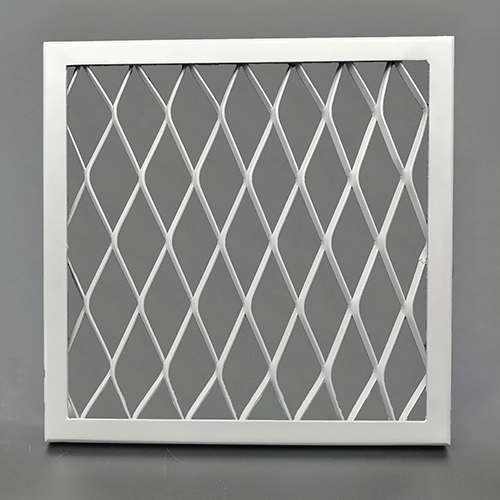
Perforated aluminum claddings are crafted from high-quality aluminum sheets through precision processes such as CNC punching, laser cutting aluminum panel technology, or waterjet carving, producing regular or irregular perforation patterns. Beyond their visual appeal, their hollowed textures deliver multiple practical functions, including ventilation, natural lighting, sound insulation, noise reduction, and sun shading—making them a true embodiment of the "form follows function" design philosophy.
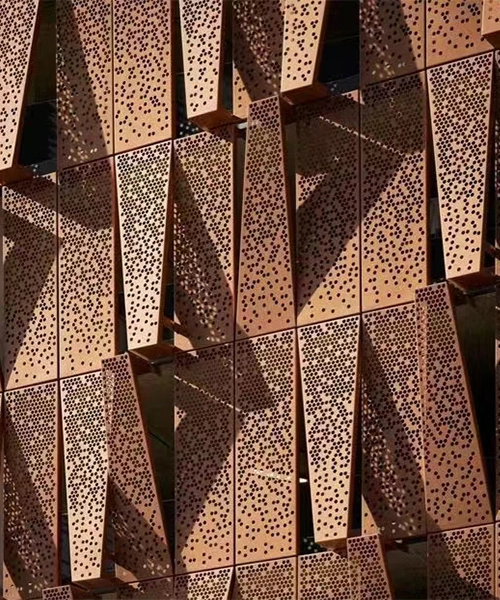
Lightweight yet strong, easy installation
Made from lightweight metal substrates, these panels combine structural strength with ease of transport. As a leading aluminum panel factory, we ensure that the modular design improves construction efficiency, making them especially suitable for large-scale aluminum curtain wall projects.
Durable and weather-resistant
With surface treatments such as anodizing, fluorocarbon coating, and powder coating, perforated aluminum claddings offer excellent resistance to high temperatures, corrosion, UV rays, fire, and moisture. Even when exposed to harsh conditions of sun, rain, snow, or frost, they retain their bright color and smooth surface, with a service life of over 20 years.
Comprehensive functionality, superior performance
The perforated structure not only supports ventilation, daylighting, shading, and noise reduction, but also provides added functions such as security, thermal insulation, and anti-glare. By precisely controlling aperture size (as small as 0.5 mm), density, and arrangement, perforated aluminum panels can be tailored to meet the specific functional needs of different projects.
Perforated aluminum claddings serve not only as the "protective skin" of a building, but also as a vital medium of visual expression. Their customizable shapes, textures, and patterns open up endless artistic possibilities—from minimalist geometric forms to abstract compositions, from gradient perforation layouts to dynamic light-and-shadow effects. Each panel can become a unique design symbol.
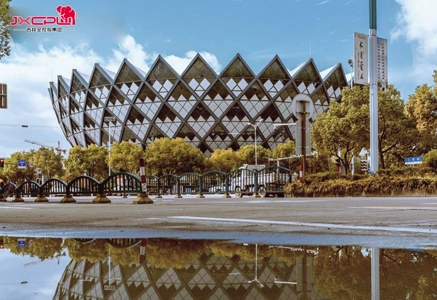
In architectural façades, especially, perforated aluminum panels interact with lighting, projections, and natural daylight to create striking three-dimensional effects, injecting a strong sense of artistry and modernity into urban spaces.
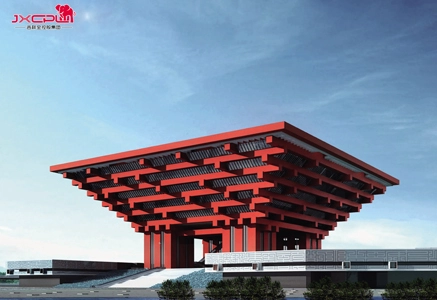
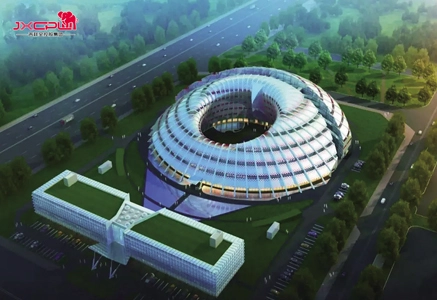
Building façades and curtain wall systems: Giving skyscrapers, cultural venues, and commercial complexes iconic appearances.
Urban landscapes and public facilities: Bus shelters, railings, canopies, and other structures where functionality and aesthetics coexist.
Interior ceilings and partitions: Enhancing spatial depth and transparency in offices, hotels, and exhibition halls.
Acoustic and environmental design: Applied in theaters, conference halls, and schools to optimize acoustics through sound absorption and noise control.
Customized art installations: Meeting designers' diverse demands for personalized patterns and integrated functionality.
As a modern material integrating structural, functional, and decorative attributes, perforated aluminum panels are more than just architectural components—they are a language of spatial design. With their high degree of customization, outstanding performance, and forward-looking visual appeal, they build a bridge between architecture and art, empowering designers to realize creative visions while infusing buildings and spaces with vitality and expression.