EN

Color coated aluminum sheet has become one of the most widely used materials in modern construction, transportation, signage, and industrial design. With its lightweight structure, corrosion resistance, and decorative versatility, it is increasingly replacing traditional metal and composite materials.
This article provides a comprehensive guide to color coated aluminum sheet, including its definition, key functions, advantages, and applications.
A color coated aluminum sheet is an aluminum sheet that has been treated with a surface coating process, typically using polyester (PE), polyvinylidene fluoride (PVDF), or other high-performance coatings.
These coatings are applied to improve:
Aesthetic appearance (color variety and gloss levels)
Weather resistance
Corrosion resistance
Durability in harsh environments
In simple terms, it is an aluminum sheet with a protective and decorative paint layer that enhances both performance and appearance.
Color coated aluminum sheets serve multiple industrial and architectural functions. Below is a structured overview:
| Function | Description |
|---|---|
| Protection | Prevents corrosion, oxidation, and UV damage |
| Decoration | Provides customizable colors and finishes |
| Structural Support | Maintains lightweight strength for panels and cladding |
| Thermal Performance | Helps reflect heat and improve energy efficiency |
| Weather Resistance | Suitable for outdoor long-term exposure |
These functions make it a preferred material in both commercial and residential projects.
The popularity of this material is driven by several key advantages:
The coated surface acts as a barrier against moisture, chemicals, and environmental pollutants.
Compared to steel or other metals, aluminum offers high strength-to-weight ratio, making installation easier and more cost-efficient.
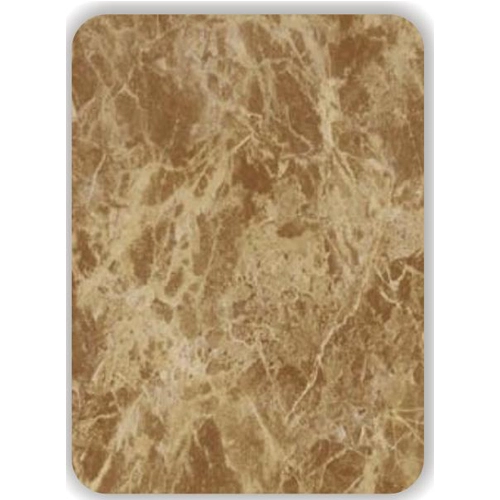
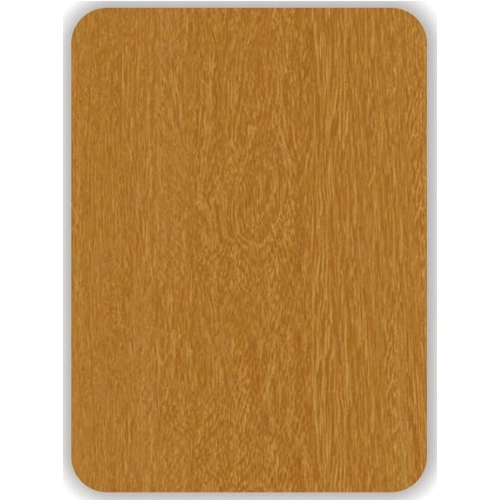
Available in multiple colors, textures, and finishes such as matte, glossy, wood grain, or metallic.
High-quality coatings significantly extend the lifespan of aluminum sheets, especially in outdoor environments.
The surface is easy to clean and does not require frequent repainting or treatment.
Aluminum is fully recyclable, supporting sustainable construction practices.
Based on product usage categories from industrial aluminum panel systems, the applications include:
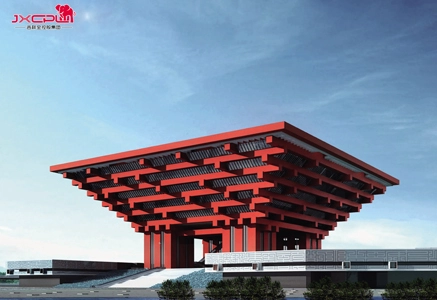
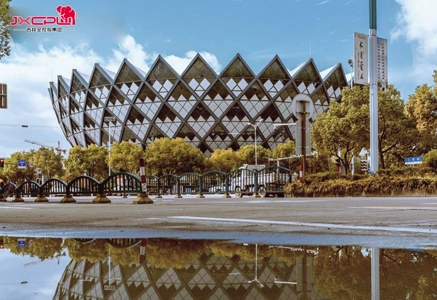
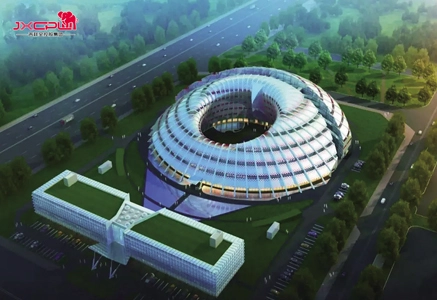
Used in modern curtain wall systems and exterior cladding due to its weather resistance and visual appeal.
Applied in ceiling systems, wall panels, and decorative partitions for commercial and residential interiors.
Lightweight structure makes it ideal for roofing panels that require corrosion resistance and thermal stability.
Widely used in billboard structures, advertising boards, and branding displays due to smooth surface finish.
Used in vehicle interiors and exterior panels for buses, trains, and commercial transport systems.
Provides protective housing for machinery and electrical systems.
Modern architecture demands materials that balance aesthetics, durability, and sustainability. Color coated aluminum sheets meet these requirements by offering:
High design flexibility
Strong environmental resistance
Cost-effective lifecycle performance
Compatibility with modern architectural systems
This makes them a core material in global construction trends.
Yes, especially PVDF-coated sheets, which are designed for long-term outdoor exposure.
Yes, aluminum is 100% recyclable without losing its original properties.
Simple cleaning with mild detergent and water is usually sufficient.
Aluminium color coated sheet is a high-performance material combining durability, aesthetics, and environmental sustainability. Its wide range of applications—from architecture to transportation—makes it a critical component in modern industrial design.
With reliable color coated aluminum sheet manufacturers like Mritop, users can ensure consistent quality, advanced coating technology, and long-term performance for diverse project requirements.