EN

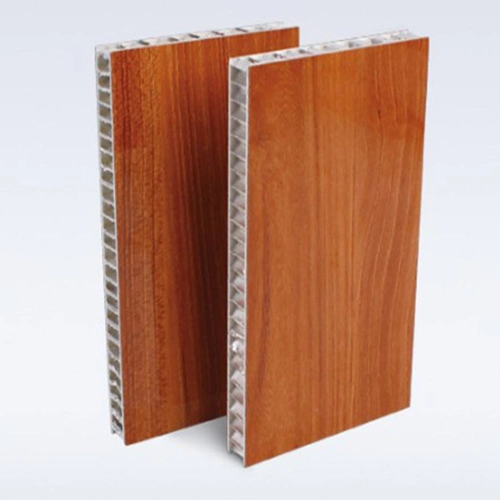
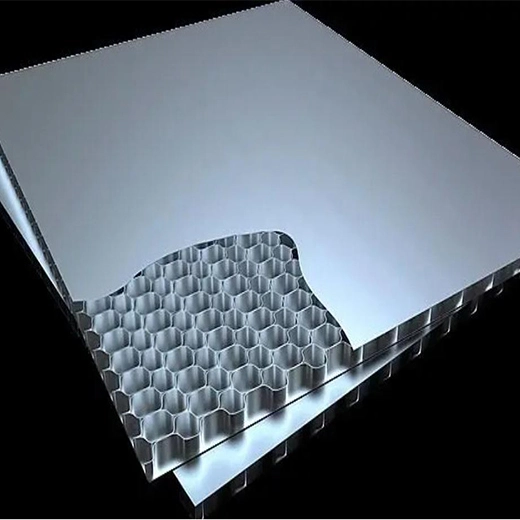
Choosing the right surface treatment is one of the most critical steps in ensuring the long-term performance, appearance, and durability of an aluminum honeycomb panel. The finish not only defines the look of the façade but also determines how well the panel withstands UV radiation, corrosion, humidity, and pollution over time.
The three most common surface treatments in architectural use are PVDF coating, powder coating, and anodised finishes. Each has its own technical advantages and ideal use cases.
PVDF (Polyvinylidene Fluoride) coating is a high-performance fluorocarbon paint system widely used on aluminum honeycomb panels for exterior façades. It provides superior weather and UV resistance, maintaining color stability even under harsh environmental exposure.
Exceptional UV and color stability: PVDF coatings can maintain color for over 20 years with minimal fading.
Superior corrosion and pollution resistance: The non-stick surface resists acid rain, industrial emissions, and saltwater.
Excellent adhesion and durability: Ensures long-term bonding and prevents peeling or cracking.
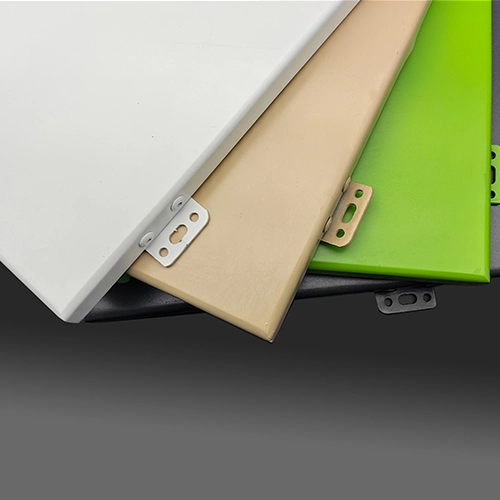
Wide color range: Available in standard RAL, metallic, and custom finishes.
PVDF-coated aluminum honeycomb panels are ideal for:
High-rise building façades
Airport terminals and metro stations
Corporate and commercial exteriors
Coastal and high-humidity environments
In short: PVDF is the go-to option for architects who prioritize longevity, minimal maintenance, and long-term color consistency.
Powder coating involves electrostatically applying a dry powder onto the aluminum surface, followed by heat curing. This process creates a uniform, protective layer that can be finished in matte, glossy, or textured styles.
Strong adhesion and smooth finish: Excellent coverage without running or sagging.
Good weather and corrosion resistance: Suitable for moderate exterior or interior environments.
Eco-friendly process: No VOC emissions compared to liquid paint systems.
Economical option: Lower cost than PVDF coating, with shorter lead times.
While powder coating performs well in moderate climates, it has less UV stability than PVDF. Over time, panels exposed to intense sunlight may experience some fading or chalking.
Interior wall cladding and ceilings
Shopping malls, hospitals, and office interiors
Exterior façades in mild climates
Projects requiring fast turnaround and color flexibility
In summary: Powder coating offers great aesthetics and affordability for projects not exposed to severe environmental conditions.
Anodising is an electrochemical process that transforms the aluminum surface into a thick, protective oxide layer. Unlike paint coatings, this finish is integral to the metal, providing unmatched hardness and corrosion resistance.
Outstanding wear and corrosion resistance: Perfect for high-traffic or exposed environments.
Premium metallic appearance: Offers natural aluminium tones, silver, bronze, or champagne colors.
Fade and scratch resistance: The oxide layer is extremely hard and won’t peel or blister.
Low maintenance: Easy to clean and resistant to fingerprints and pollution.
Luxury architectural façades
Interior feature walls and decorative cladding
Corporate lobbies, transport hubs, and high-end retail spaces
In short: Anodised finishes deliver the most authentic metallic look with exceptional durability — ideal for projects where natural aesthetics and long life are priorities.
| Feature | PVDF Coating | Powder Coating | Anodised Finish |
|---|---|---|---|
| Durability (Years) | 20–25 | 10–15 | 25+ |
| UV Resistance | Excellent | Good | Excellent |
| Color Range | Very Wide | Wide | Limited (metallic tones) |
| Gloss / Texture Options | Matte, Satin, Gloss, Metallic | Matte, Gloss, Textured | Natural Metallic |
| Corrosion Resistance | Excellent | Good | Excellent |
| Maintenance | Low | Medium | Very Low |
| Cost | High | Medium | High |
| Best For | Exterior façades, harsh climates | Interiors, moderate exteriors | Luxury façades, feature walls |
When specifying an aluminum honeycomb panel, the surface treatment should be selected based on:
Environmental conditions: PVDF or anodised for high UV/salt zones; powder for interiors.
Design requirements: PVDF and powder offer more color flexibility; anodising gives metallic authenticity.
Maintenance expectations: Anodised and PVDF finishes require minimal upkeep.
Budget and timeline: Powder coating is faster and more cost-efficient.
Aesthetic vision: For high-end architecture, anodising delivers unmatched visual appeal.
PVDF coating is the best choice for exterior applications due to its superior UV resistance, long lifespan, and weatherproof performance.
Anodised panels offer greater hardness, scratch resistance, and a natural metallic finish. However, they are limited in color variety compared to PVDF or powder coatings.
Yes, powder coating can be used for façades in moderate environments, but for coastal or high-UV areas, PVDF coating provides better long-term color retention.
PVDF coating: 20–25 years
Powder coating: 10–15 years
Anodised finish: 25 years or more with minimal fading
Yes. PVDF, powder, and anodised finishes can all be applied to flat or curved aluminum honeycomb panels, provided the manufacturing and coating process is done by certified fabricators.
The choice between PVDF, powder, and anodised finishes depends on your project’s functional and aesthetic priorities.
For exterior façades: PVDF offers the best balance of beauty, performance, and longevity.
For interiors and cost-sensitive projects: Powder coating provides excellent value and flexibility.
For premium architectural designs: Anodised finishes deliver timeless metallic elegance and unmatched durability.
No matter which option you choose, investing in the right surface treatment for aluminum honeycomb panels ensures lasting protection, visual appeal, and optimal performance throughout the building’s lifecycle.