EN

When architects and engineers look for materials that combine lightweight strength, durability, and design flexibility, few options outperform the aluminum honeycomb panel. Originally developed for aerospace applications, this advanced material has become a mainstay in modern architecture — especially in façades, curtain walls, ceilings, and partitions.
Here are the top 10 benefits of using aluminum honeycomb panels in building design and why they have become the preferred choice for high-performance construction projects.
The defining feature of an aluminum honeycomb panel is its honeycomb core, which mimics the internal structure of natural honeycombs. This geometry distributes loads efficiently, giving the panel incredible rigidity without adding weight.
Compared to solid aluminum sheets, honeycomb panels offer the same or higher structural strength with up to 85% less weight, allowing for larger spans and reduced support structures.
Ideal for: Large façade panels, elevator interiors, and areas requiring high stiffness with minimal dead load.
Aluminum honeycomb panels maintain excellent flatness over large surface areas. The symmetrical structure and adhesive bonding process minimize warping or oil-canning, even under temperature or pressure changes.
For façade applications, this results in smooth, seamless surfaces — a key factor in achieving high-end architectural finishes.
Unlike composite panels with plastic or foam cores, aluminum honeycomb panels consist entirely of non-combustible materials. The aluminum core and skins can meet Class A2 fire ratings, making them suitable for high-rise and public buildings where fire performance is crucial.
Key benefit: Meets international fire safety standards with minimal smoke emission and zero toxic fumes.
Aluminum naturally resists corrosion due to its protective oxide layer. When combined with PVDF, powder, or anodized finishes, honeycomb panels deliver outstanding protection against humidity, acid rain, and salt spray.
This durability ensures long-lasting color stability and surface integrity — even in coastal or industrial environments.
Because the aluminum honeycomb panel is significantly lighter than solid aluminum or stone cladding, it reduces transportation, lifting, and installation costs. The lighter dead load also minimizes stress on the main structure.
Result: Faster installation, smaller supporting frames, and reduced overall project cost.
The honeycomb core acts as a natural sound and heat barrier, thanks to its air-filled cells. This reduces noise transmission and enhances thermal comfort inside the building.
For specialized applications, panels can be combined with insulation layers or perforated designs to further improve acoustic control.
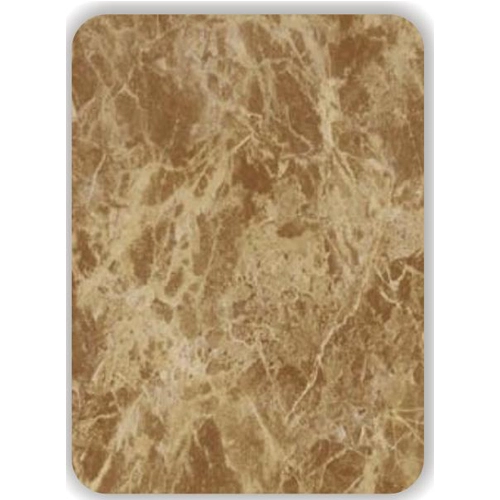
Aluminum honeycomb panels can be finished in any RAL color, metallic tones, or special textures such as woodgrain, marble, or brushed aluminum. They can also be curved, bent, or perforated, enabling architects to realize creative and complex designs without compromising performance.
Applications include:
Architectural façades
Ceilings and soffits
Elevator cabins
Decorative interiors
High-quality bonding and surface coating technologies give aluminum honeycomb panels a lifespan exceeding 20 to 30 years. They resist deformation, fading, and delamination — ensuring consistent performance over decades.
Maintenance is minimal, typically requiring only periodic cleaning to remove dust or pollutants.
Sustainability is a growing priority in building design. The aluminum honeycomb panel aligns perfectly with green-building standards, as both the core and skins are 100% recyclable.
Additionally, their lightweight structure lowers energy consumption during transport and installation — reducing the project’s carbon footprint.
While the initial cost of aluminum honeycomb panels may be higher than conventional materials, their long lifespan, reduced maintenance, and lightweight efficiency deliver a lower total cost of ownership.
When factoring in durability, installation time, and maintenance savings, they offer exceptional value across the building’s lifecycle.
| Feature | Aluminum Honeycomb Panel | Solid Aluminum Sheet | ACP / Foam Core Panel |
|---|---|---|---|
| Weight | Very Light | Heavy | Moderate |
| Strength / Rigidity | Excellent | Good | Medium |
| Flatness | Excellent | Average | Good |
| Fire Resistance | Non-combustible | Non-combustible | Limited |
| Thermal / Acoustic Performance | Good | Limited | Good |
| Aesthetic Flexibility | High | Moderate | High |
| Maintenance | Very Low | Moderate | Moderate |
| Recyclability | 100% | 100% | Partial |
Yes. Thanks to their honeycomb core, they achieve much higher stiffness and strength-to-weight ratios while remaining lighter than solid aluminum sheets.
With proper coating and installation, the panels can last 25–30 years or more without deformation or significant color fading.
Absolutely. Their corrosion resistance, weather durability, and fire safety make them ideal for building façades, canopies, and curtain walls.
Yes. Both skins and core are made of recyclable aluminum, making the product fully sustainable and aligned with green-building certifications like LEED.
The upfront cost is higher, but their superior durability, reduced maintenance, and longer service life provide better long-term value.
The aluminum honeycomb panel represents the perfect balance of strength, aesthetics, and sustainability. Its lightweight yet robust structure makes it ideal for demanding architectural applications where both performance and design matter.
Whether it’s a modern high-rise façade, a transport hub, or an interior feature wall, aluminum honeycomb panels offer a future-proof solution — delivering lasting value, safety, and visual impact for decades to come.